
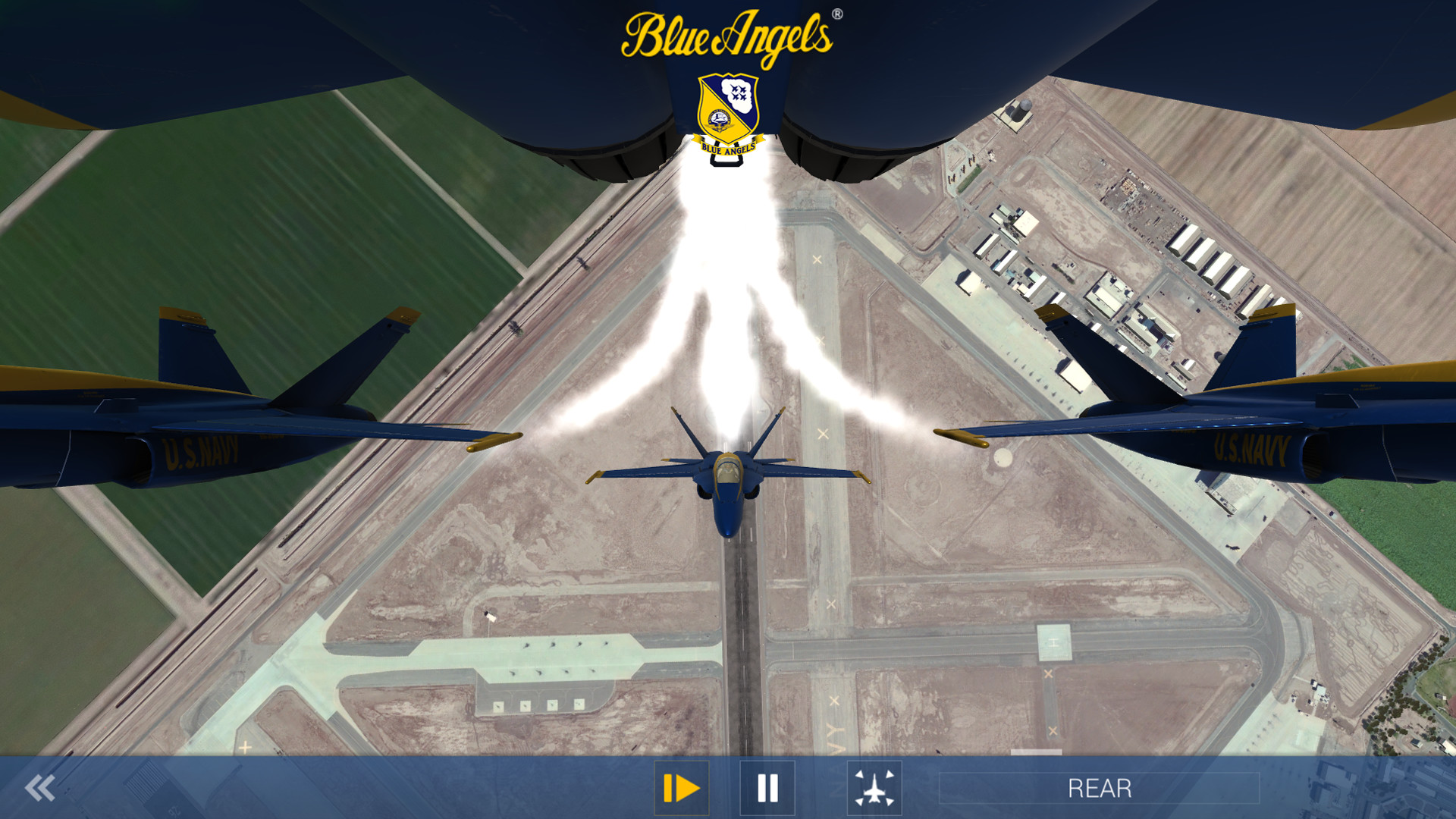
Evaluate your favorite aerial vehicles by focusing on key attributes such as speed, agility, and firepower. Look for options that can maneuver effectively under varying conditions, allowing for tactical versatility. Specific configurations may enhance your offensive capabilities or defensive resilience, flight legends so tailor your selections based on the aerial environment you prefer.
Investigate the statistics that influence handling characteristics. Vehicles with lower stall speeds can provide significant advantages during dogfights. Similarly, understanding the thrust-to-weight ratio can help determine overall performance in vertical maneuvers. Prioritize airframes that combine these factors for the best outcomes.
Pay attention to upgrade paths available within the simulation. Invest resources wisely in enhancements that align with your playstyle. Some may benefit from increased payloads for missions requiring extensive fire support, while others might prefer modifications that prioritize speed and stealth. Choice of loadouts can define your role in engagements.
Lastly, joining community forums or engaging with experienced players can offer invaluable insights into optimal setups. Collective wisdom can highlight nuances in performance and tactical approaches, ensuring you make informed decisions. This collaborative knowledge environment allows you to refine your strategies, maximizing your success rate.
Analyzing Aircraft Performance Metrics for Competitive Play
Prioritize speed and maneuverability ratings when selecting your craft. A higher speed enables swift transitions between opponents, while agility allows for sharp turns and evasive actions. Look for attributes that exceed 300 knots for optimal performance in competitive scenarios.
Pay attention to lift-to-drag ratios. This metric dictates how efficiently your machine maintains altitude during maneuvers. A ratio above 12 indicates superior performance, aiding in conserving energy during prolonged engagements.
Acceleration metrics are similarly significant. Models achieving 0 to 300 knots in under 10 seconds provide a critical edge, allowing quick attacks or retreats. Assess this stat to avoid being outpaced by adversaries during critical moments.
Consider armament capabilities based on your playstyle. If you prefer engaging enemies at a distance, prioritize models equipped with long-range missiles. For close-combat enthusiasts, high-caliber cannons paired with excellent tracking can maximize damage output.
Don’t overlook the durability attribute. High resistance ratings can determine survivability in intense skirmishes. Evaluate damage thresholds carefully–units sustaining over 30% integrity post-engagement enhance your chances of staying operational.
Finally, assess maintenance ease. Complex units may offer superior stats but can slow your readiness between matches. Opt for designs that balance performance with straightforward upkeep to maximize your competitive edge.
Choosing the Right Aircraft Model for Different Game Modes
For competitive matches, opt for aircraft with high maneuverability and speed. The selection of fighters such as the F-22 Raptor or the Eurofighter Typhoon can significantly increase your effectiveness in dogfights. These options provide superior agility, allowing for swift evasion and engagement of opponents. Prioritize models that excel in vertical climbs to gain an advantage in aerial confrontations.
Cooperative Missions
During cooperative missions, heavier bombers and transport options shine. Utilizing models like the B-17 Flying Fortress or the C-130 Hercules can enhance team strategies through their payload capacity and support capabilities. Ensure that your selection balances offensive power with durability, thereby increasing your squadron’s effectiveness in multi-target scenarios. The ability to carry additional crew members or resources can also be a key asset.
Long-Distance Reconnaissance
For reconnaissance missions, select models that boast extended range and stealth features. The Northrop Grumman Global Hawk is excellent for gathering intelligence without being detected. Focus on options with advanced sensors that allow for real-time data collection. These features are invaluable for mission planning and ensuring team safety from enemy radar.
| Mission Type | Recommended Aircraft | Key Features |
|---|---|---|
| Competitive Matches | F-22 Raptor | High maneuverability, speed |
| Cooperative Missions | B-17 Flying Fortress | Payload capacity, team support |
| Reconnaissance | Global Hawk | Stealth, advanced sensors |